Chattanooga DayLilies construction Durability of shipping containers

Durability of shipping containers

Built to Last: Exploring the Durability of Shipping Containers with Giant Lockbox

When it comes to reliability and longevity, few structures can match the durability of Shipping containers. From their initial purpose of transporting goods across oceans to their widespread use in various industries and applications, shipping containers have earned a reputation for withstanding the test of time. At Giant Lockbox, we specialize in providing high-quality shipping containers that are built to last, offering unparalleled durability and resilience in even the harshest conditions. Let’s delve into the factors that contribute to the durability of shipping containers and how Giant Lockbox ensures that your cargo remains safe and secure.

One of the primary reasons for the durability of shipping containers is their construction using high-grade steel. Made from corrosion-resistant corten steel, shipping containers are built to withstand the rigors of transportation, handling, and storage without succumbing to rust or deterioration. The steel panels are welded together to create a robust and sturdy structure that can withstand heavy loads, impacts, and environmental stressors. Additionally, shipping containers are designed to be stackable, allowing them to support the weight of multiple containers without compromising structural integrity.

Another factor contributing to the durability of shipping containers is their modular and standardized design. Shipping containers are engineered to withstand the dynamic forces experienced during transportation, including vibration, shock, and torsion. The standardized dimensions and fittings ensure compatibility and interchangeability between containers, facilitating seamless stacking, loading, and unloading operations. This modular design also allows for easy repair and maintenance, with damaged components easily replaced or repaired to extend the container’s service life.

Furthermore, shipping containers are designed to withstand exposure to harsh environmental conditions, including extreme temperatures, humidity, and saltwater corrosion. Whether it’s scorching desert heat, freezing arctic cold, or corrosive marine environments, shipping containers offer excellent resistance to degradation and deterioration. The corten steel construction provides a protective barrier against moisture ingress and corrosion, ensuring that your cargo remains safe and secure in any climate or location.

Giant Lockbox offers a range of shipping containers designed to meet the specific needs of your project or application, each boasting exceptional durability and resilience. Whether you’re looking for standard containers, high cube containers, refrigerated containers, or custom-built containers, we have options available to suit your requirements. Our containers undergo rigorous quality control measures to ensure that they meet industry standards for durability and structural integrity, providing reliable protection for your cargo in transit or storage.

Moreover, Giant Lockbox offers additional durability-enhancing options and accessories to further protect your shipping containers and cargo. From protective coatings and sealants to reinforced corner castings and locking mechanisms, we can customize your container to withstand the toughest conditions and ensure maximum security and longevity. Additionally, we offer container modification Services to add reinforcements, reinforcements, and reinforcements, and other features that enhance durability and resilience, ensuring that your container remains in top condition for years to come.

Shipping containers are renowned for their durability and resilience, making them a trusted choice for storing, transporting, and protecting goods in various industries and environments. With their robust construction, modular design, and resistance to environmental factors, shipping containers offer unparalleled durability and longevity that stand the test of time. Whether you’re shipping goods across the country or using containers for on-site storage, Giant Lockbox has the expertise and experience to provide durable shipping containers that meet your needs and exceed your expectations.
Related Post

Modular Homes: An Innovative Solution for Quality Living and Flexible FinancingModular Homes: An Innovative Solution for Quality Living and Flexible Financing

In recent years, the concept of modular homes has gained significant attention as a viable housing solution. These prefabricated dwellings, constructed in a factory and then assembled on-site, offer numerous advantages over traditional stick-built houses. This article explores the Quality aspects of modular homes, highlighting their Durability, customization options, energy efficiency, and affordability, while also examining the flexible financing options available to prospective homeowners.

Quality Construction and Durability

One of the common misconceptions about modular homes is that they lack the same level of quality as traditionally built houses. However, this is far from the truth. Modular homes are built to adhere to the same building codes and regulations as site-built homes, ensuring high-quality construction. The controlled factory environment allows for precise measurements, weather-independent construction, and efficient assembly processes.

Moreover, modular homes undergo rigorous quality control inspections throughout the manufacturing process, guaranteeing that they meet stringent standards. The materials used in their construction are often the same as those used in traditional homes, including high-quality lumber, steel, and energy-efficient insulation. As a result, modular homes offer durability that rivals or even exceeds that of conventional houses.

Customization Options

Modular homes are not limited to a one-size-fits-all approach. In fact, they offer remarkable flexibility in terms of Design and customization. Homebuyers can choose from a wide range of floor plans, layouts, and architectural styles, enabling them to create a home that suits their specific needs and preferences.

Whether it’s a small cozy cottage or a spacious family home, modular construction can accommodate various sizes and configurations. Additionally, modular homes can be easily expanded or modified in the future to accommodate changing needs, making them a versatile housing solution for growing families or individuals seeking a flexible living space.

Energy Efficiency

With increasing focus on sustainability and energy conservation, modular homes have stepped up to the challenge. These dwellings are designed with energy efficiency in mind, incorporating features such as upgraded insulation, high-performance windows, and energy-saving appliances.

The factory construction process ensures precise installation of insulation materials, reducing thermal bridging and air infiltration. This results in better temperature regulation and lower energy consumption, leading to reduced utility bills and a smaller carbon footprint. In some cases, modular homes even surpass the energy efficiency of traditionally built houses, making them an environmentally conscious choice for homeowners.

Affordable Financing Options

When it comes to financing, modular homes offer a range of flexible options that make homeownership more accessible to a wider audience. Traditional mortgage lenders typically provide financing for modular homes, treating them on par with stick-built houses. This means that potential homeowners can secure a mortgage at competitive interest rates, just as they would for a conventional home. It leaves some people wondering why are construction loans hard to get?

In addition to traditional financing, there are specialized lenders who focus specifically on modular home loans. These lenders understand the unique aspects of modular construction and offer tailored loan products with attractive terms and rates.

Furthermore, modular homes often have a shorter construction timeline compared to site-built homes. This can translate into savings on construction loan interest and reduce overall financing costs. Additionally, because modular homes are built in a factory setting, construction delays due to weather conditions are minimized, further enhancing cost predictability.

Conclusion

Modular homes represent a modern and innovative approach to housing that combines quality construction, customization options, energy efficiency, and affordable financing. These dwellings offer durability on par with traditional homes while allowing homeowners to personalize their living spaces to suit their individual needs. Moreover, with flexible financing options available, modular homes are becoming an attractive choice for those seeking a cost-effective and sustainable housing solution.

As the demand for housing continues to rise, modular homes provide a practical and efficient answer to the challenges of affordability, construction quality, and environmental impact. With ongoing advancements in design, technology, and construction techniques, modular homes are poised to play a significant role in shaping the future of the housing industry.

Automatic Pool Covers Costs: Unveiling the Investment DetailsAutomatic Pool Covers Costs: Unveiling the Investment Details

Automatic pool covers costs

Automatic pool covers offer a convenient solution for pool owners looking for safety, cleanliness, and efficiency. The cost of installing an automatic pool cover is a significant aspect to consider, with prices varying due to size, materials, and custom features. An accurate cost estimate often includes not just the cover itself, but also the installation fees, the motor mechanism, and any additional components required for the system to operate effectively.

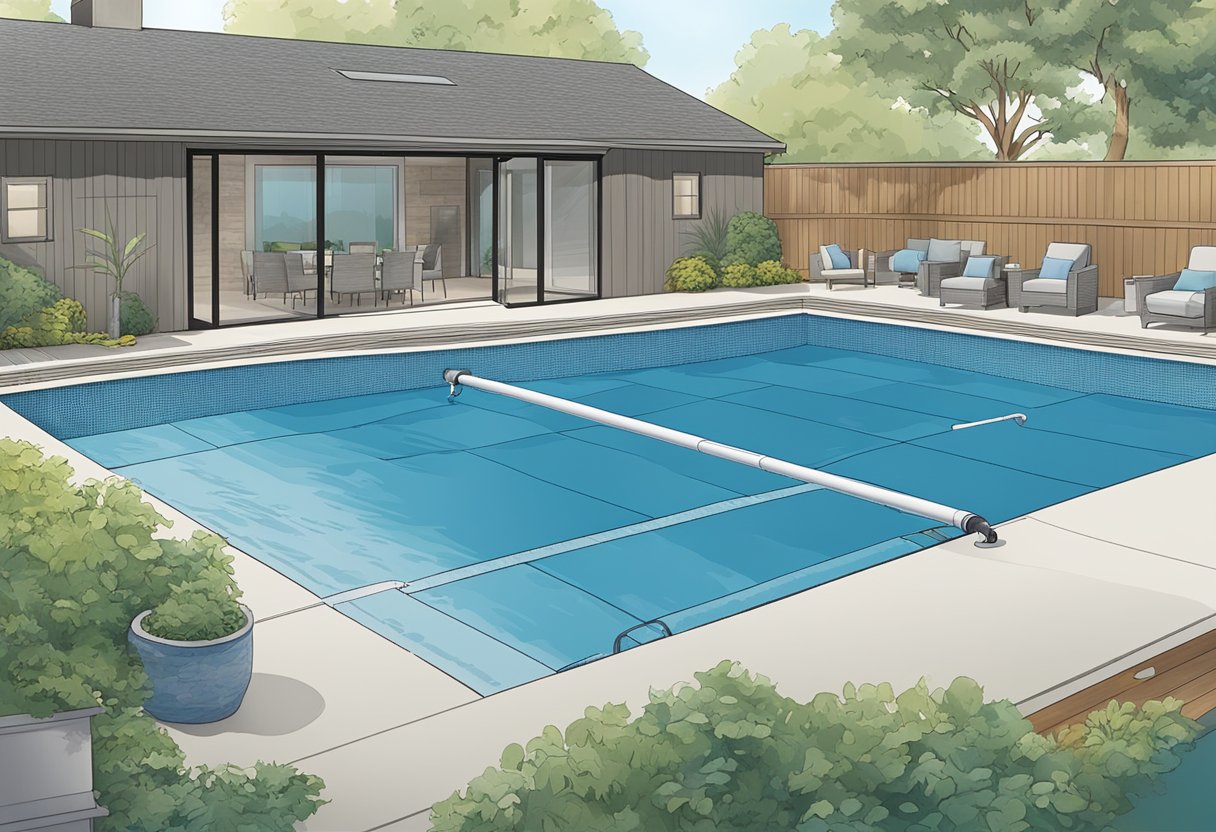
A pool cover automatically rolls out, covering the water. A control panel shows the cost of the cover

When budgeting for an automatic pool cover, it is important to recognise that the investment can range from a few thousand to several thousand pounds, depending on various factors. The size and shape of one’s pool significantly influence the final price, as custom dimensions may necessitate a higher expense. Additionally, the choice of material can affect both the longevity of the cover and the total cost, with higher-end fabrics often incurring a higher upfront payment but potentially offering better Durability and thermal properties.

Homeowners should also account for the long-term savings that an automatic pool cover can provide. While the initial outlay may seem substantial, the reduction in maintenance costs, Water evaporation, and heat loss can lead to considerable savings over time. Energy-efficient designs can help keep the pool water at an optimal temperature and minimise the need for additional heating, which in turn can reduce utility bills. It is advisable for pool owners to weigh these potential savings against the initial cost to make an informed decision that aligns with their budget and pool maintenance objectives.

Automatic Pool Cover Fundamentals

A pool cover effortlessly glides over the water, concealing and protecting the pool. It is a fundamental feature for pool owners, providing convenience and cost savings

When considering an automatic pool cover, it’s essential to understand the variety of options available, their installation implications, and the ongoing maintenance they require to ensure a cost-effective investment.

Cover Types and Materials

Automatic pool covers come in a range of types and materials, each with their own set of qualities. Mesh covers are lightweight and allow water to filter through while keeping debris out. Solid pool covers, often made of PVC or vinyl, offer greater protection but require a pump to remove standing water. Solar pool covers not only protect the pool but also help in heating the water, using a bubble-wrap-like fabric to trap heat. The material quality directly affects the cover’s longevity and price.

Installation Process and Costs

The installation of an automatic pool cover is a detailed process that typically necessitates professional installation. The project involves mounting tracks along the pool edges, installing a motor, and setting up the cover’s controls and pulleys. A new housing may also be required to store the cover. Labour costs vary greatly, but are a significant part of the total expense. Detailed price estimates are usually customised to each project.

Size and Shape Considerations

The pool size and shape are pivotal in determining the cost of an automatic pool cover. Rectangular pools are the easiest and most cost-effective to fit, but covers can be custom-made for oddly shaped pools, although this increases the cost. Sizing accuracy is crucial for proper cover function and aesthetics.

Maintenance and Lifespan

Maintenance is critical to preserve an automatic pool cover’s lifespan and ensure smooth operation. Regular cleaning, along with checks on moving parts such as the motor and pulleys, helps prevent malfunction. Some covers may require periodic maintenance Services. Repairs, when needed, can range from simple to complex, often involving the tracks or controls.

Other Cost Factors

Additional costs can arise from various factors, such as the need for a new electrical outlet for the motor, replacement of worn-out parts, and upgrades such as wireless remote controls. Consideration of these factors is important when budgeting for an automatic pool cover.

Cost Considerations and Optimisation

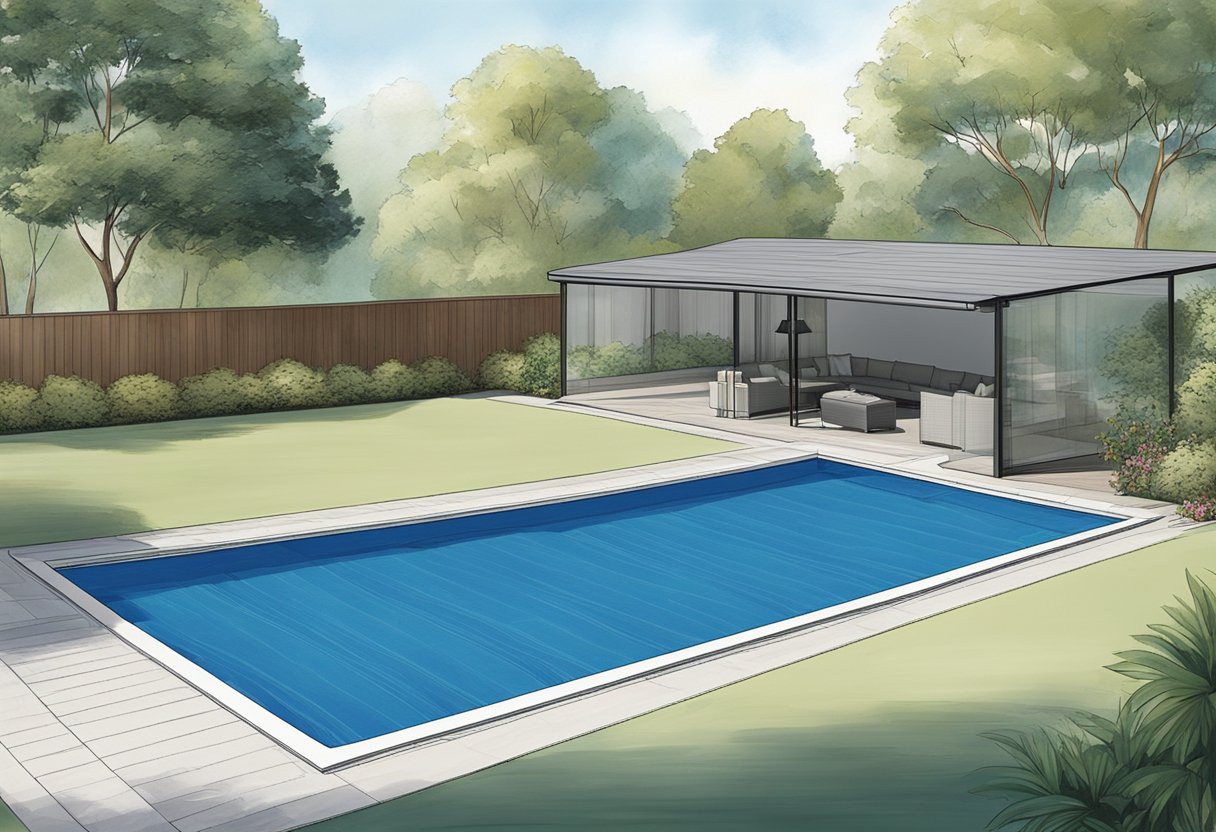
A pool cover automatically closes over a sparkling blue pool, demonstrating cost-effective optimization

When considering the purchase of an automatic pool cover, it is essential to balance the initial investment against long-term benefits and savings.

Building a New Home in California: A Comprehensive Guide to Obtaining a Construction LoanBuilding a New Home in California: A Comprehensive Guide to Obtaining a Construction Loan

Introduction:

Building a new home in California can be an exciting and rewarding venture, allowing you to Design your dream home from the ground up and tailor it to your specific needs and preferences. However, embarking on such a project requires meticulous planning, substantial financial investment, and a thorough understanding of the construction loan process. In this article, we’ll guide you through the essential steps of Building a new home in California and provide insights into obtaining a land loan and or construction loan to fund your project.

1. Research and planning:

The first step in building a new home is conducting thorough research and developing a comprehensive plan. Begin by assessing your needs, preferences, and budget. Consider the location, size, style, and features you desire in your new home. Explore different neighborhoods in California to find a suitable location that aligns with your lifestyle and future goals. Determine if you want to purchase a lot or use one you already own.

2. Engage Professionals:

Building a home requires the expertise of various professionals, such as architects, contractors, and engineers. Engage an architect to draw up detailed plans that align with your vision and meet local building codes and regulations. Research and interview reputable contractors with experience in new home construction. Working with a skilled team ensures a smooth building process and minimizes potential setbacks.

3. Obtain Necessary Permits:

Before commencing any construction, you’ll need to obtain the necessary permits from the local government or city authorities. Building codes and regulations vary across cities in California, so it’s crucial to comply with all requirements. Engage with the local planning department to understand the permit process and submit your plans for review and approval.

4. Determine Your Budget and Construction Loan Amount:

Calculate the total cost of your new home project, including land acquisition, construction materials, labor, and other related expenses. It’s essential to have a clear understanding of your budget to avoid overspending and financial strain during the construction phase. Once you have an estimated budget, determine the amount you need to borrow through a construction loan.

5. Construction Loan Basics:

A construction loan is a specialized short-term loan designed to cover the costs of building a new home. Unlike a traditional mortgage, construction loans provide funds in phases as the construction progresses. Once the construction is complete, the loan can be converted into a permanent mortgage or paid off in full. It’s vital to familiarize yourself with the various types of construction loans, such as construction-to-permanent loans and stand-alone construction loans.

6. Eligibility and Application:

To obtain a construction loan, you’ll need to meet specific eligibility criteria set by lenders. Factors such as your credit score, income, down payment, and debt-to-income ratio will influence your qualification. Research and compare different lenders, banks, or credit unions offering construction loans in California. Prepare all required documents, including construction plans, cost estimates, and financial statements, and submit a loan application.

7. Loan Approval and Disbursement:

Once your loan application is approved, the lender will work with you and your builder to establish a draw schedule. The draw schedule outlines when and how funds will be disbursed during different construction stages. As construction progresses, the lender will conduct inspections to verify the completed work and disburse the corresponding funds.

8. Begin Construction:

With your construction loan secured and disbursements underway, construction can begin. Work closely with your contractor and other professionals to ensure the project stays on schedule and within budget. Regularly communicate with your lender and provide updates on the construction progress as required.

Conclusion:

Building a new home in California is a fulfilling experience, allowing you to create a personalized living space. However, it’s essential to plan meticulously, engage professionals, and secure a construction loan to finance the project successfully. By following the steps outlined in this guide, you’ll be better prepared to embark on your home-building journey, making your dream home a reality. Remember to stay informed about the latest building regulations and lending practices to ensure a smooth and successful building process.