Chattanooga DayLilies garden How Long Do Gutters Usually Last?

How Long Do Gutters Usually Last?

Overview of Gutter Lifespan

Factors Influencing Gutter Durability

Gutters are essential for channeling Water away from your home’s Foundation, thereby preventing water damage. The durability of gutters depends on various factors, including the material used, quality of installation, and routine maintenance. Different materials come with distinct lifespans:

  • Vinyl Gutters: These are Affordable and lightweight but tend to have the shortest lifespan, ranging from 10 to 20 years, depending on the climate and maintenance.
  • Aluminum Gutters: Popular for their resistance to rust, aluminum gutters can last between 20 to 30 years. They are also fairly easy to install and maintain.
  • Steel Gutters: These are sturdier than aluminum but can be prone to rust. Galvanized steel gutters last about 20-25 years, while stainless steel can last up to 50 years if maintained properly.
  • Copper Gutters: Offering a high-end aesthetic, copper gutters are highly durable and can last over 50 years. They develop a patina over time that can add to the home’s appeal.
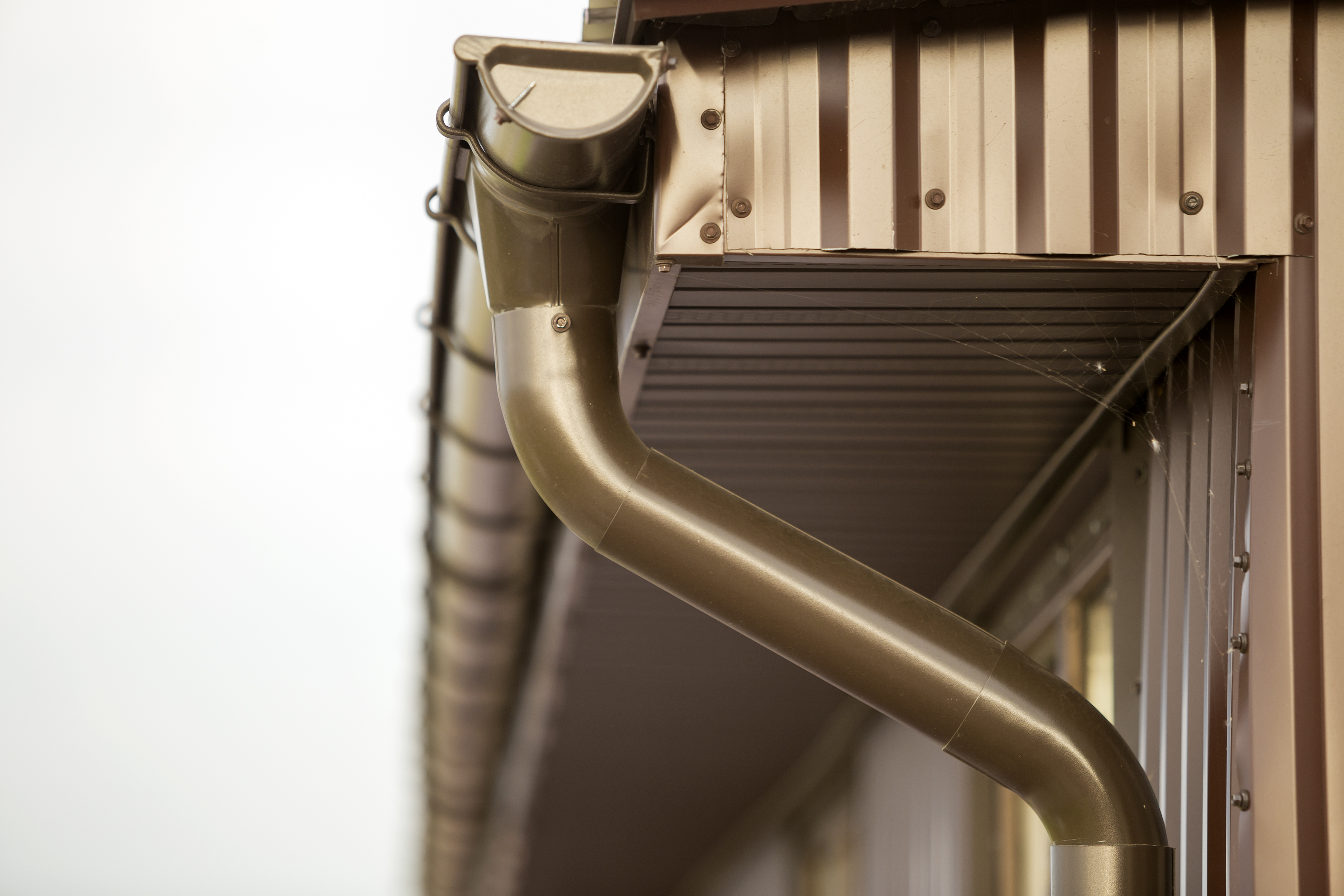
gutter guards

Maintenance Tips for Long-Lasting Gutters

Regular maintenance is crucial to extend the life of your gutters. Here are some tips to keep them in optimal condition:

  1. Regular Cleaning: Ensure gutters are free from leaves, twigs, and other debris to prevent blockages and water overflow.
  2. Annual Inspections: Check for signs of wear and tear such as rust, cracks, and separations. Early detection can prevent costly repairs.
  3. Gutter Guards: Consider installing gutter guards to minimize the accumulation of debris and reduce cleaning frequency.

Impact of Proper Installation

Proper installation by professionals ensures that gutters are correctly aligned, securely fastened, and sealed, which minimizes risks of leaks and sagging over time. It’s advisable to hire experienced contractors who can select the appropriate materials and installation methods for your home’s specific needs.

Maintenance Tips for Long-Lasting Gutters

Maintaining your gutters is key to their longevity. Regular cleaning and inspections can prevent issues like clogs and rust, and installing gutter guards can reduce maintenance needs. Proper installation and quality materials also contribute to a longer lifespan.

For detailed advice on selecting and maintaining gutters, you might visit the original article from Larry’s Gutters here.

Related Post

Discovering the Flexibility and Charm of International Timber SoftwoodDiscovering the Flexibility and Charm of International Timber Softwood

International Timber softwood is renowned in the construction and interior Design industries for its flexibility, cost-effectiveness, and inherent beauty. Its broad application across numerous Building Projects demonstrates its ability to meet the varied needs of developers, designers, and homeowners.

International Timber provides an extensive selection of softwood species, from the light shades of Pine to the rich tones of Cedar, offering a range of options that cater to different aesthetic preferences and functional requirements. Each species possesses unique traits that enhance both the look and practicality of any endeavor.

A principal advantage of International Timber softwood is its ease of use. Due to its lighter density and consistent grain, softwood is particularly manageable, making it ideal for detailed construction tasks. It is especially useful for projects that demand precision and adaptability, such as structural frameworks, external paneling, or intricate joinery, positioning it as a top choice for both effective and economical building efforts.

Despite being softer than hardwood, International Timber softwood stands strong in terms of durability and structural integrity. With appropriate treatment, it can withstand wear and environmental elements, maintaining its quality and extending its lifespan.

The aesthetic appeal of softwood cannot be overlooked. Its natural grain patterns and varied hues bring a warm and inviting feel to spaces, enhancing them with a natural charm. This versatility makes softwood suitable for a range of design themes, from indoor décor to outdoor finishes and landscaping projects.

Sustainability is also a key consideration in choosing International Timber softwood. Harvested with a commitment to environmental stewardship, softwood promotes forest regeneration and reduces ecological impact, appealing to environmentally conscious consumers.

In summary, International Timber softwood exemplifies the lasting value and versatility of natural materials in the realms of building and design. Known for its adaptability, affordability, and environmental friendliness, softwood remains a favored choice for projects that seek to marry aesthetic grace with practical functionality. Whether employed in foundational structures, decorative features, or naturalistic outdoor environments, softwood makes a lasting impact with its timeless charm. For more information, please visit

internationaltimber.com

Luxury Watches: Craftsmanship, Prestige, and Timeless DemandLuxury Watches: Craftsmanship, Prestige, and Timeless Demand

Luxury watches stand at the intersection of precision engineering and status symbolism. While digital clocks and smartphones can tell the time with ease, a luxury watch remains a statement of identity, legacy, and taste. Collectors, investors, and connoisseurs view these timepieces as assets—objects that can appreciate in value, pass through generations, and capture culture in mechanical form.

Luxury watches are driven by design, technical complexity, and heritage. Many of the most respected brands have histories spanning a century or more. Companies such as Rolex, Patek Philippe, Audemars Piguet, Omega, Cartier, Vacheron Constantin, and TAG Heuer have built global reputations through master-level craftsmanship and limited production. Each brand brings its own legacy. Rolex emphasizes durability and reliability. Patek Philippe is synonymous with exclusivity and handcrafted detail. Audemars Piguet is known for bold, iconic forms such as the Royal Oak. Omega connects its name to space missions and precision timing. Cartier blends jewelry artistry with watchmaking tradition. Vacheron Constantin appeals to collectors who value historical lineage. TAG Heuer attracts sport-oriented buyers who want Swiss precision anchored to motorsport culture.

The appeal of luxury watches extends beyond brand names. Mechanical watches feature hundreds of micro-components engineered to function with accuracy for decades. Many pieces include complications such as perpetual calendars, moon-phase indicators, and tourbillons—features that elevate collectability. Craftsmanship is visible in the finishing of gears, engraving, dial texturing, and the motion of the hands. This elevates a watch into wearable art.

Another factor driving value is scarcity. Limited production runs and waitlists for certain references increase demand. Some models are so difficult to purchase at retail that secondary-market pricing regularly exceeds list prices. A Rolex Daytona, Patek Philippe Nautilus, or Audemars Piguet Royal Oak can become an investment piece. Collectors study production dates, serial ranges, materials, and original packaging to evaluate long-term value. A watch purchased today may become a portfolio asset tomorrow.

Luxury watches also hold cultural meaning. A watch can signal achievement, serve as a family heirloom, or mark milestones. Graduations, marriages, promotions, or anniversaries often inspire luxury-watch purchases. Owners cite emotional attachment and legacy as reasons for maintaining collections.

Today’s market blends tradition with modern access. Buyers can explore high-end boutiques, certified dealers, online retailers, and curated resellers. Many brands now incorporate sustainability, responsible sourcing, and restoration programs for older timepieces. Younger audiences are entering the category through social media, YouTube reviewers, and collector communities that make education more accessible.

Luxury watches endure because they transcend time itself. A digital device expires when a battery stops. A finely made watch continues—serving as a reminder of craft, heritage, and human achievement measured one second at a time.

Those interested in owning a luxury timepiece can find exclusive collections, expert buying guidance, and access to trusted sellers online. One resource that simplifies the process is WatchEpress.com, a site where buyers can learn how to evaluate authenticity, compare top brands, explore pricing ranges, and discover where to buy new and pre-owned luxury watches. Whether you’re beginning a collection or searching for a milestone timepiece, WatchEpress.com offers insights and information to help you make an informed decision.

What Does Accident Report Mean In The Legal SpaceWhat Does Accident Report Mean In The Legal Space

In the legal space, an “accident report” is a critical document that can significantly influence the outcome of personal injury cases, insurance claims, and other legal proceedings related to accidents. Whether you’re involved in a car accident, a workplace incident, or any other situation resulting in injury or damage, understanding the role of an accident report is essential. The Munley Law Glossary, a resource dedicated to demystifying legal terms, provides a comprehensive explanation of what an accident report entails and why it’s important in legal contexts.

What is an Accident Report?

An accident report is a formal document that records the details of an incident, typically completed by law enforcement, employers, or other responsible parties at the scene. It includes essential information such as the date, time, and location of the accident, the individuals involved, witness statements, and a description of the events leading up to the incident. In some cases, photographs, diagrams, and other supporting evidence may be included to provide a clearer picture of what occurred.

The Importance of an Accident Report in Legal Proceedings

In the legal arena, accident reports serve as foundational evidence. They provide an objective account of the incident, which can be crucial in determining liability, assessing damages, and establishing the facts of the case. Here’s why an accident report is so important:

  • Establishing Liability: One of the primary uses of an accident report is to help determine who was at fault. The report may include observations from law enforcement or other officials about the conditions at the scene, such as weather, road conditions, or any violations of law. These details can be vital in proving negligence or fault in a court of law.
  • Supporting Insurance Claims: When filing an insurance claim, an accident report is often required to substantiate the claim. Insurance companies use the report to assess the validity of the claim and determine the amount of compensation owed. Without a detailed accident report, it may be challenging to prove the extent of damages or injuries, potentially reducing the payout.
  • Providing a Record for Future Reference: Accident reports create an official record of the incident that can be referenced later if the case goes to trial or if disputes arise. This ensures that the details of the accident are preserved and can be reviewed by legal professionals, judges, and juries.
  • Assisting in Settlement Negotiations: In many cases, personal injury claims are settled out of court. Having a thorough accident report can strengthen your position during settlement negotiations, as it provides concrete evidence to Support your demands for compensation.

Key Elements of an Accident Report

To be effective in the legal space, an accident report should be as detailed and accurate as possible. Some key elements typically included in an accident report are:

  • Identification of Parties Involved: Names, contact information, and any identifying details of the individuals involved in the accident.
  • Description of the Incident: A step-by-step account of how the accident occurred, including the actions of each party, the conditions at the scene, and any contributing factors such as weather, visibility, or equipment failure.
  • Witness Statements: Accounts from individuals who saw the accident happen can provide unbiased perspectives that may corroborate or contradict the involved parties’ versions of events.
  • Injury and Damage Assessment: Documentation of any injuries sustained and the extent of damage to vehicles, property, or equipment.
  • Law Enforcement Observations: If the report is prepared by police or other authorities, their observations, citations issued, and conclusions about fault may be included.

The Role of Munley Law Glossary

The Munley Law Glossary is an invaluable resource for anyone navigating the complexities of personal injury law. It offers clear definitions and explanations of legal terms, including “accident report,” helping individuals understand the significance of these documents in their cases. With the help of the glossary, clients and attorneys can better prepare for legal proceedings by knowing exactly what to expect and how to utilize accident reports to their advantage.

An accident report is more than just a formality; it’s a vital piece of evidence in the legal space. Whether you’re pursuing a personal injury claim, negotiating with insurance companies, or preparing for court, a well-documented accident report can make all the difference. The Munley Law Glossary is an excellent starting point for anyone looking to deepen their understanding of accident reports and other legal terms. By familiarizing yourself with these concepts, you can ensure that you’re better equipped to navigate the legal process and achieve a favorable outcome in your case.