Gourmet, speciality pizzas made with love can be cooked at home with ease if you master the art of artisan pizza baking and equip yourself with the right wood-fired pizza oven. Get in touch outdoor pizza oven kits.
Excitingly, for those who enjoy DIY Projects, crafting distinct gourmet pizzas at home is possible, along with constructing your artisan outdoor pizza oven as a fulfilling DIY endeavour. Get in touch pizza oven kits.
The popularity of our DIY pizza oven kits is remarkable.
Lacking in DIY skills? No worries, as you can still prepare your gourmet pizzas in a ready-to-go pizza oven.
Alternatively, you could opt for a prefabricated pizza oven that comes already assembled and can be easily installed by our experts to match any aesthetic you desire.
You can even opt for a gas pizza oven and still create gourmet pizza if it’s a Valoriani oven from Orchard Ovens.
What makes artisan baking and gourmet pizza making so satisfying?
Why bother making your own gourmet pizza at home?
Well, it will save you money on restaurant and takeaway costs.
Moreover, an outstanding pizza oven provides instant entertainment for friends and family.
Hosting a garden pizza party is a real step up from a BBQ.
But it will also take you on a more extensive journey.
This journey allows you to experiment with traditional flavors and food textures, experience the thrill of achievement, and acquire a new skill – mastering the art of fire Building – not to mention experimenting with pizza oven tools and accessories.
Get everyone involved, whether it’s topping the dough for the ceramic pizza stone or turning the pizza with the metal pizza peel.
Certainly, with the right outdoor pizza oven, you can craft lip-smacking gourmet pizza on par with what a chef would serve.
You might already be making pizza in a small portable oven.
If that’s true, maybe it’s time to take your homemade pizza cooking up a notch.
Valoriani and its range of pizza oven kits, artisan-built outdoor ovens, and woodburning or gas-fired ready-to-go pizza ovens can help you achieve this.
There are several possibilities available to you when it comes to private drives. A driveway can add sizable value to your home and make it a better place to reside. Some Solutions will set you back more than others, but there is a great deal of choice available whether you’re on a tight budget or have more to spend. Talk to us for more -
Tarmac driveways
Tarmac or asphalt driveways are also highly Affordable and are recognized for their solid weather protection. Driveways made from tarmac are also extremely long lasting, which makes them a great match for bigger vehicles. They also have a smooth appearance, which means excellent skid resistance. Tarmac driveways can easily survive hail, ice and storms. tarmacadam is also a perfect match for the eco-conscious due to the way that the material can be used indefinitely. For a great solution visit -
Block paving private drives
Block paving is based around interlocking, which gives you additional Durability. It can be designed in a range of patterns and you can simply switch out individual bricks if they are damaged. One other key benefit of block paving driveways is that they have great fade protection. A block paving private drive can last for up to 20 years. These driveways do not require top polishing, and there is typically no need to repaint them even years down the line. All you normally need to do to maintain a block paving private drive is to clean it with soap and Water. Block paving private drives are also popular due to the way that they can withstand extreme weather with ease.
Resin-bound plus resin-bonded private drives
Resin-bound and resin-bonded driveways have become significantly well-liked over recent years. Resin-bound driveways are water-permeable. Whilst resin-bonded systems have resin spread across the surface with loose stone scattered on top of them, resin and stone are mixed together and shovelled into place to develop resin-bound systems. These systems give you a great deal of choice when it comes to versatility and colour.
Indian stone private drives
Indian natural stone private drives offer the look of natural sandstone, and there are plenty of patterns and colours to choose from. One of the key benefits of Indian Sandstone is that it doesn’t normally split, crack or peel. This stone also has non-slip qualities.
Stone driveways
Natural stone private drives are quick and easy to put in and may be the perfect choice if you’re on a budget. A big advantage of having a stone private drive installed is that you’ll be alerted when somebody pulls up on your driveway or walks across it. This means it can be a great deterrent for trespassers. These driveways also require minimal maintenance.
Cobble Stone and brick private drives
Although they’re not as well-liked as they once were, Cobble Stone and brick private drives offer a highly distinct, attractive appeal. These private drives offer good resistance to cold and are easy to maintain. They are also noted for their resilience and can be personalized to your specific requirements and preferences.
Pattern-imprinted concrete driveways.
Pattern-imprinted cement private drives are also known as stamped concrete and decorative concrete private drives. These driveways offer a highly long lasting surface and can easily withstand heavy weights. Another reason why these driveways are so popular is that they require minimal upkeep. There are many designs, styles, colours and patterns to choose from. No matter what your tastes and inclinations are, it shouldn’t be too difficult to find a private drive style that fulfills your requirements.
Mention “guest house” and you might immediately envision swanky mansions of elite socialites. But guest houses are no longer just for the rich and famous. Many homeowners are building guest homes on their property as a creative solution to a variety of alternative living arrangements.
What Is A Guest House?
While they go by a lot of names – cottages, tiny homes, granny flats – guest houses generally fall into two categories: guest houses or Accessory Dwelling Units (ADUs). Guest homes are made for short-term occupancy, or for family members that have access to the main house – giving a perfect balance of togetherness and privacy.
Because people living in them have room to roam, guest homes are typically smaller and offer endless flexibility. They can provide a retreat space for teens and parents or an office space for those who need to work from home, and the kitchen table isn’t cutting it. It is also a great way to accommodate aging parents or adult children who are not quite ready to buy their own homes.
Where To Build A Guest House
The first thing to consider is — what is the purpose of your guest house? Do you have frequent out-of-town guests, such as parents or children? Do you need a mother-in-law suite for an aging family member who needs an extra level of care? Are you looking for a flexible office space that can be turned into a teen hangout for movie night?
Once you know what you want to do with your guest house, the next step is picking the location on your site, which will depend on a variety of factors. First, there are zoning laws to consider, and you should explore if there are any HOA restrictions. If you live on rural acreage, you will need to determine the optimal place for running electricity, Water, and sewer to the site.
How To Build A Guest House
Building a guest house is not as easy as buying a tiny home on Amazon and throwing it in the backyard (wouldn’t that be nice!). Careful consideration and planning are needed to determine financing, building permits, design, and the builder.
If you plan a guest house for an aging parent, design the space to meet their needs, such as mobility and safety concerns. You should also decide if you want the home to be attached or detached. An attached unit is more convenient to provide family access, while a detached unit will offer more privacy and flexibility for each lifestyle.
Financing a Guest House
Securing a construction loan can be one of the most stressful parts of building a new home. Taking it one step at a time is important. Start with getting pre-qualified to determine your budget. When you know what you can realistically afford, your home-building journey takes shape. HiLine Homes has a list of Approved Lenders who may be able to offer you up to 100% financing.
Know Zoning Laws and Restrictions
Each building jurisdiction has its own requirements, so it is essential to check if your project is allowable and feasible. It is important to check with your local city or county building department to find out your zoning and associated codes. The information about your property you will need to learn about feasibility is:
Parcel Number
Zoning
Lot size
Location of Utilities
and Environmental Constraints
When starting the process, it may feel overwhelming. That is why it is key to lean on your Home Consultant to walk you through the project.
Find a Floor Plan
Guesthouses can offer comfortable and flexible multi-generational living while saving money from hotel costs, renting, or assisted living facilities, so choosing the right floor plan is essential. When looking at floor plans, consider how the space flows for everyday use. Even if you plan to let friends and family use it for extended visits, you will want to offer them a cozy space for privacy.
HiLine Homes’ Affordable Guest Home Options
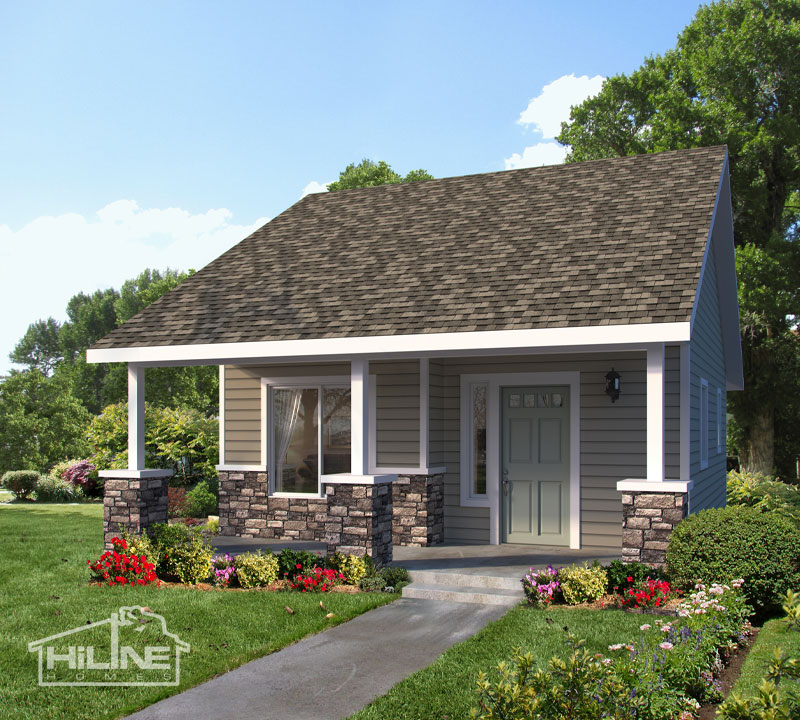
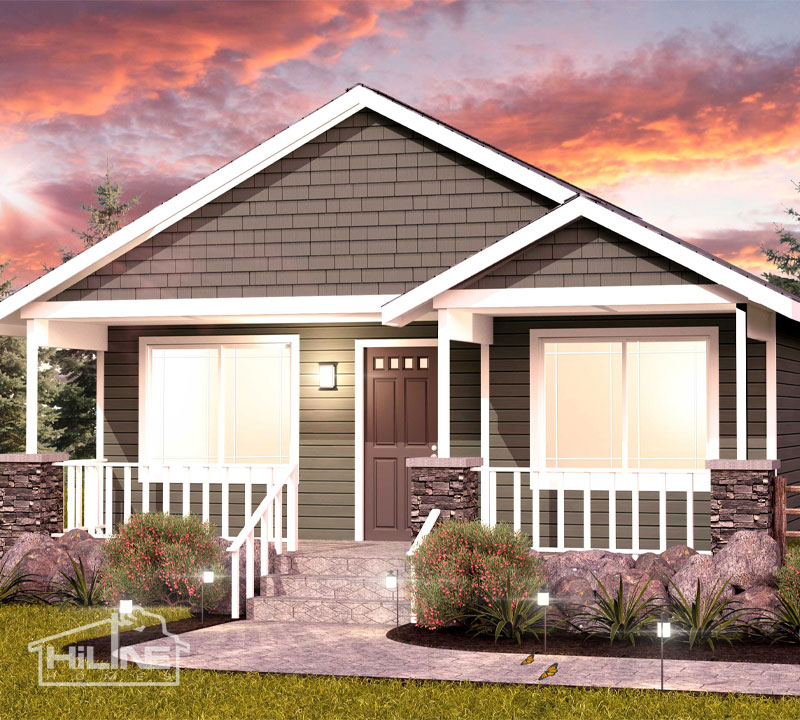
HiLine Homes is dedicated to helping families build a high-quality home with the opportunity of a strong equity position. You are sure to enjoy checking out our beautiful home plans designed to be Affordable and provide efficient use of space. Our smallest home plan starts at only 500 square feet, providing a quaint space with all the essentials. With over 40 home plans available and several perfectly suited as a guest home, you are sure to find the right fit.
If you are looking for an attached option, Home Plan 500 and 500B are designed to be attached to another HiLine Homes floor plan when purchased together. It is a versatile option for families and guests looking for a place to retreat.
Want a bit more space? Home Plan 800 adds a small laundry room, outdoor living space, and 8×8 storage area for even more flexibility and independence. Our Home Consultants will provide a free building consultation to review your site and answer your questions about the process.
Cost Of A Guest House
As a rising trend, guest homes help families find alternative housing options, and HiLine Homes works to make that process affordable and attainable. Our traditional building program is designed with homeowner responsibilities such as preparing the property for HiLine Homes to build a complete home on your prepared property. Resulting in keeping the costs of building down and the possibility of building instant “sweat” equity. The best way to determine the cost of building your new home is to schedule a free home-building consultation.
The HiLine Homes Experience
HiLine Homes has been building quality homes for over 25 years, developing a smooth construction process. We believe that knowledge is power and that an informed buyer makes confident decisions. We promise to give you clear communication and follow up on what we say we will do.
Building a new home in California can be an exciting and rewarding venture, allowing you to Design your dream home from the ground up and tailor it to your specific needs and preferences. However, embarking on such a project requires meticulous planning, substantial financial investment, and a thorough understanding of the construction loan process. In this article, we’ll guide you through the essential steps of Building a new home in California and provide insights into obtaining a land loan and or construction loan to fund your project.
The first step in building a new home is conducting thorough research and developing a comprehensive plan. Begin by assessing your needs, preferences, and budget. Consider the location, size, style, and features you desire in your new home. Explore different neighborhoods in California to find a suitable location that aligns with your lifestyle and future goals. Determine if you want to purchase a lot or use one you already own.
2. Engage Professionals:
Building a home requires the expertise of various professionals, such as architects, contractors, and engineers. Engage an architect to draw up detailed plans that align with your vision and meet local building codes and regulations. Research and interview reputable contractors with experience in new home construction. Working with a skilled team ensures a smooth building process and minimizes potential setbacks.
3. Obtain Necessary Permits:
Before commencing any construction, you’ll need to obtain the necessary permits from the local government or city authorities. Building codes and regulations vary across cities in California, so it’s crucial to comply with all requirements. Engage with the local planning department to understand the permit process and submit your plans for review and approval.
4. Determine Your Budget and Construction Loan Amount:
Calculate the total cost of your new home project, including land acquisition, construction materials, labor, and other related expenses. It’s essential to have a clear understanding of your budget to avoid overspending and financial strain during the construction phase. Once you have an estimated budget, determine the amount you need to borrow through a construction loan.
5. Construction Loan Basics:
A construction loan is a specialized short-term loan designed to cover the costs of building a new home. Unlike a traditional mortgage, construction loans provide funds in phases as the construction progresses. Once the construction is complete, the loan can be converted into a permanent mortgage or paid off in full. It’s vital to familiarize yourself with the various types of construction loans, such as construction-to-permanent loans and stand-alone construction loans.
6. Eligibility and Application:
To obtain a construction loan, you’ll need to meet specific eligibility criteria set by lenders. Factors such as your credit score, income, down payment, and debt-to-income ratio will influence your qualification. Research and compare different lenders, banks, or credit unions offering construction loans in California. Prepare all required documents, including construction plans, cost estimates, and financial statements, and submit a loan application.
7. Loan Approval and Disbursement:
Once your loan application is approved, the lender will work with you and your builder to establish a draw schedule. The draw schedule outlines when and how funds will be disbursed during different construction stages. As construction progresses, the lender will conduct inspections to verify the completed work and disburse the corresponding funds.
8. Begin Construction:
With your construction loan secured and disbursements underway, construction can begin. Work closely with your contractor and other professionals to ensure the project stays on schedule and within budget. Regularly communicate with your lender and provide updates on the construction progress as required.
Conclusion:
Building a new home in California is a fulfilling experience, allowing you to create a personalized living space. However, it’s essential to plan meticulously, engage professionals, and secure a construction loan to finance the project successfully. By following the steps outlined in this guide, you’ll be better prepared to embark on your home-building journey, making your dream home a reality. Remember to stay informed about the latest building regulations and lending practices to ensure a smooth and successful building process.